Portfoliodecks.app case study

decks.app: from our family game night to thousands of users

We built decks.app so our team and our families could play board games on the phones already in their pockets: no downloads, no accounts, no ads. We never spent a dollar advertising it. People loved it and passed it on, and today it’s a real-time gaming platform people rely on, with everything that demands: speed, reliability, and new features that ship without interrupting anyone’s game.

Here’s how we built it, and why the same approach matters for your business.
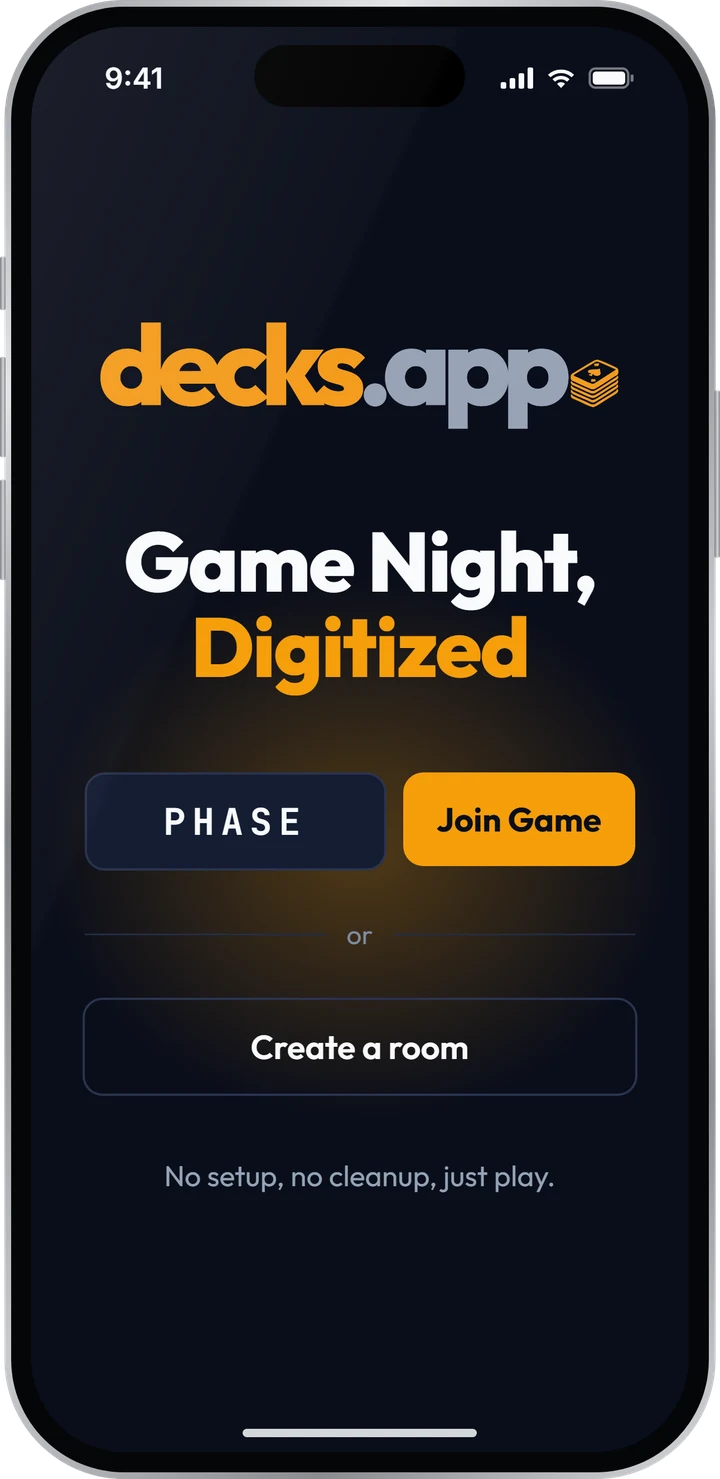
The decks.app home screen on an iPhone: the decks.app logo, the line Game Night, Digitized, and a room code box to join a game
Real decks.app screens: Empresario, Main Street Mogul, Shortwave, Imposter

The challenge

What happens when a side project takes off

decks.app started as a fix for our own game nights. Every platform we tried was buried in ads, logins and clutter, so we built the one we wanted for our team and our families. Then friends told friends, and people we had never met started hosting their own game nights on it.

Growth like that changes the job. A hobby can go down on a Friday night and nobody minds. A platform thousands of people rely on can’t. decks.app had to:

  • Stay simple enough that a 9-year-old and a 90-year-old can join a game without help.
  • Stay fast and in sync on every phone at the table, on whatever Wi-Fi the house has.
  • Fill an empty seat with an opponent worth playing against.
  • Keep improving, with new games and fixes in days, without interrupting games in progress.
  • Run lean, with a small team and automation doing the heavy lifting.

The approach

Four decisions that made it work

We never tried to grow decks.app. No advertising, no marketing budget. It took off because people loved it so much they told their friends, and their friends told theirs.

Nobody recommends software they merely put up with.

That kind of growth doesn’t happen by accident. It happens when software is designed, on purpose, around the people using it: what they’re trying to do, what gets in their way, and what makes them want to come back. That’s product management, and it sits at the center of how we build. Every decision below started there, and each one maps to a problem your business probably has too.

01 · EASE OF USE

Easy enough for a 9-year-old and a 90-year-old

The host opens a room and gets a code that’s an ordinary five-letter word, easy to say across the room. Everyone else types it into decks.app on their own phone and they’re playing: no app store, no sign-up, no password. A dropped connection catches up on its own, and every game has an animated how-to-play and a turn clock, so nobody gets lost or left waiting.

The small things get the same care. Before Main Street Mogul went to phones, we checked nine of its screens at seven screen sizes and fixed all 132 layout problems we found.

Why it matters for your business

Software only pays off if people actually use it. We invest up front in understanding who your users are and what they’re trying to get done, so what we build just works: less training, fewer support calls, faster adoption.
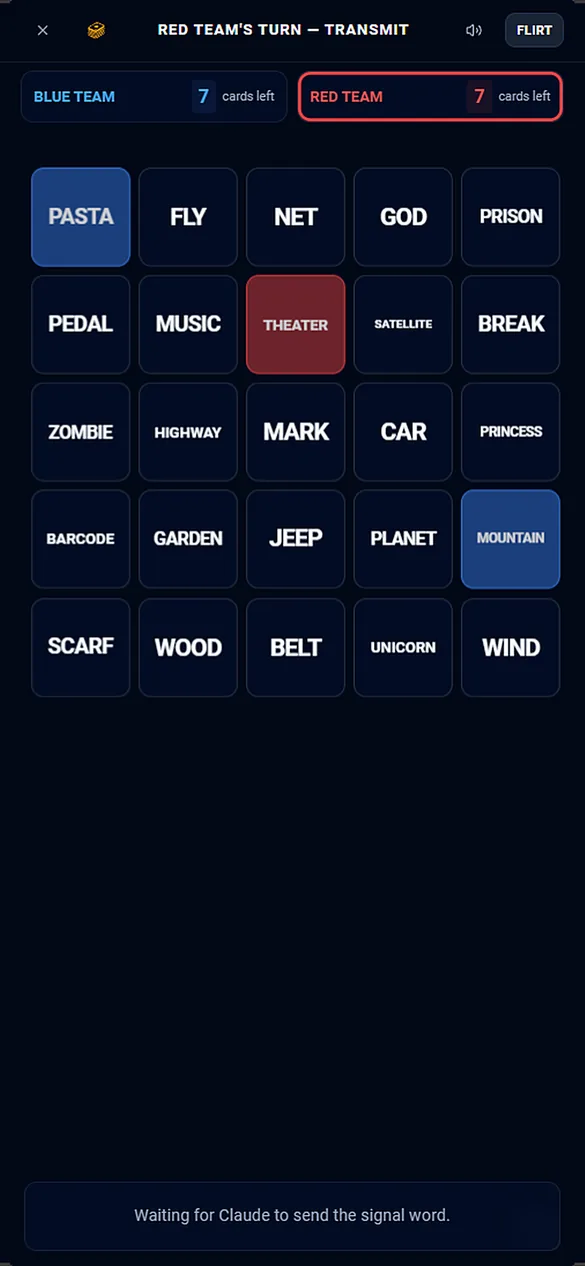
Shortwave, a team word game, on a phone
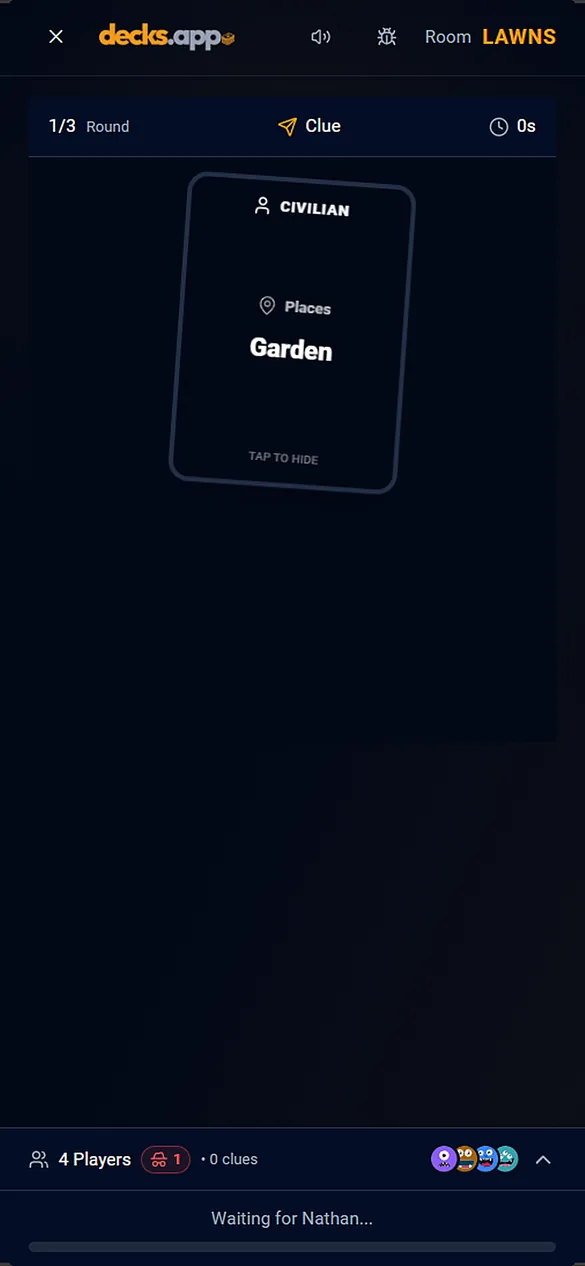
Imposter, a social deduction word game, showing a player's secret word card on a phone

Shortwave and Imposter on a phone: real app screens, shown without browser chrome.

02 · REAL-TIME PERFORMANCE

Every phone shows the same game at the same moment

Each tap shows up on the player’s own screen instantly, then travels two ways at once: a live broadcast so every other phone updates right away, and a saved copy so nothing is lost if a message is. We learned to show the tap first the hard way: before that change, the slowest iPad tap we logged took 12 seconds to appear.

The harder problem is two people acting at the same instant, so we measured it. In Dutch, a fast card game, 74 of 1,038 moves landed within a second of someone else’s. Now a move that collides is replayed on top of the winning one instead of overwriting it, and no player’s move is ever silently lost.

Why it matters for your business

It’s a real-time world. Your customers and your staff expect software to respond instantly and to be right, whether it’s a dispatch board, live inventory, scheduling or a customer portal. We build for that from the start, and we measure performance with real users instead of guessing.
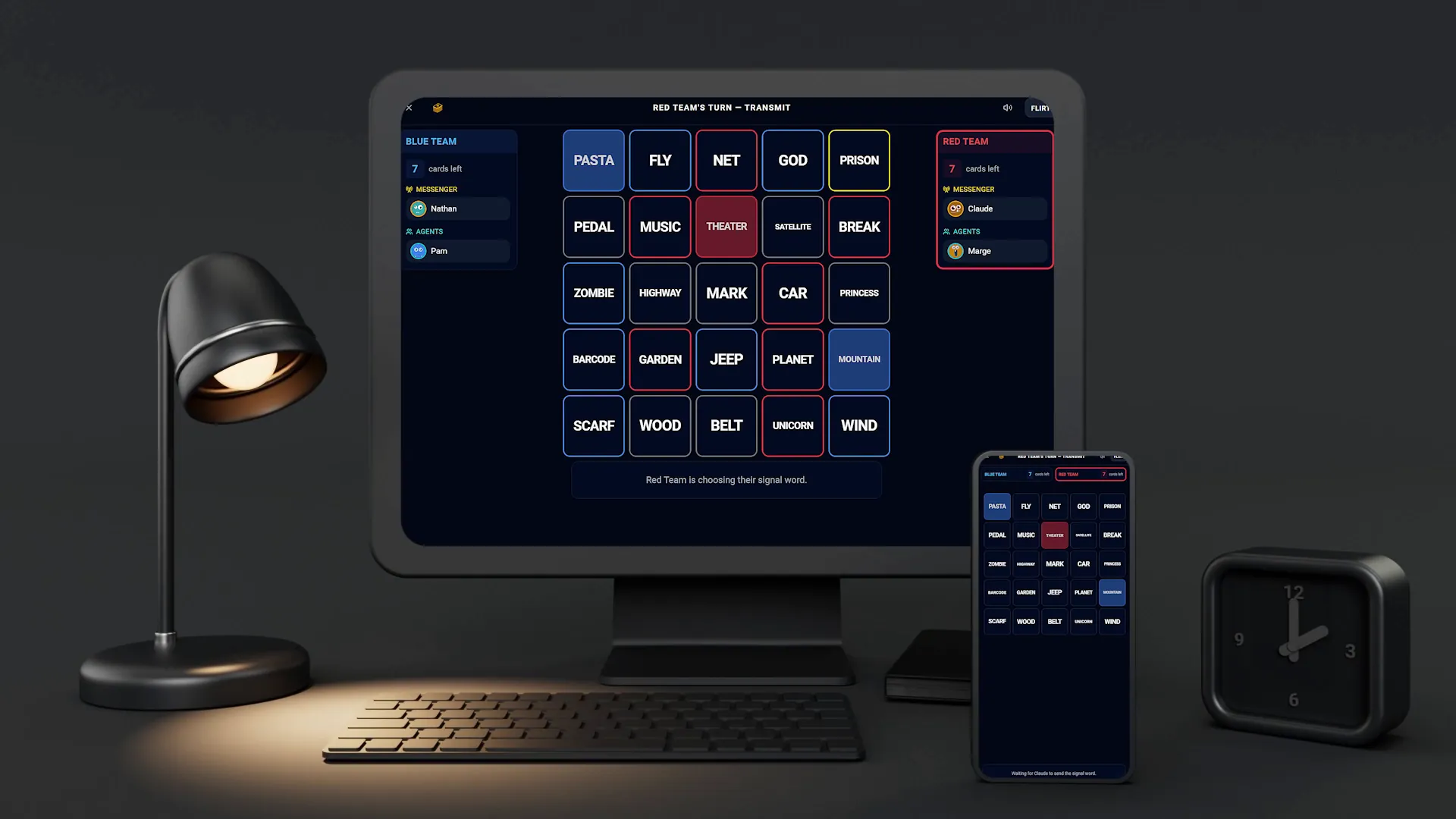
Shortwave word grid on a desktop monitor and the same board on a phone, mid-turn
One Shortwave game on a desktop and a phone: the same board, on the same turn.
03 · ARTIFICIAL INTELLIGENCE

The right AI for each job, not AI everywhere

decks.app uses three kinds of AI, because no single tool fit every game. In Empresario, a game of trading and deal-making, empty seats go to large language models (Claude, GPT and Gemini), because weighing a trade is what they’re good at. They stay on a short leash: each one picks from a list of legal moves, so it can’t break the rules, and we use each vendor’s fastest model so nobody waits on a turn.

Poker is different. A language model would be slow, costly and poor at odds, so the poker bots run straight probability math in about 10 milliseconds. The rest use simple rule-based strategy that costs nothing to run. And we test AI like everything else: when an audit caught the models ignoring soft warnings 71% of the time, those warnings became hard rules.

Why it matters for your business

The real question isn’t whether to use AI. It’s which kind, where, and whether it’s worth the cost: a large language model, a model grounded in your own documents (RAG), plain automation, or no AI at all. We know the current tools well enough to tell the difference, and to tell you when you don’t need them.
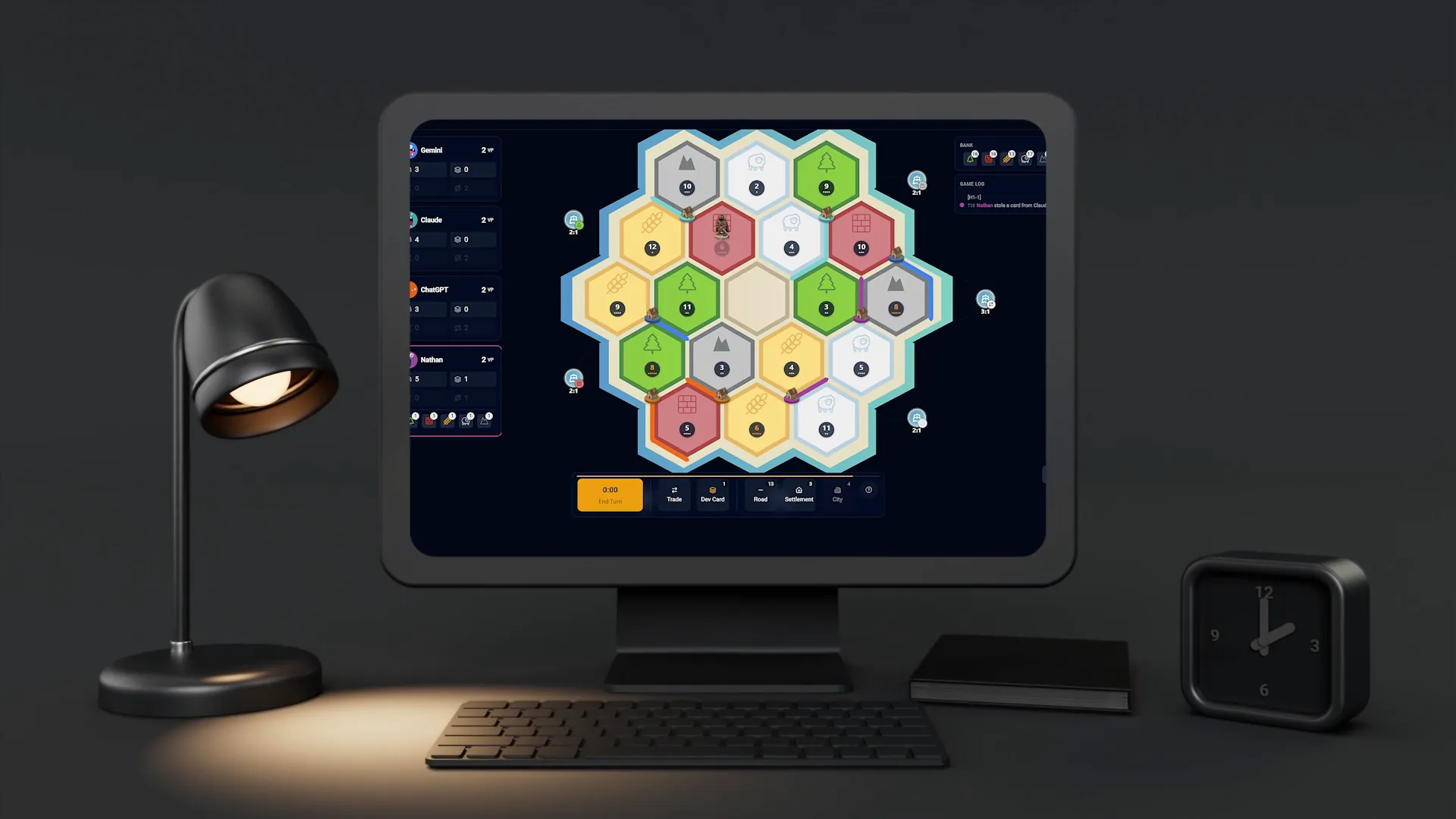
Empresario hex-tile board on a desktop monitor with AI opponents named Claude, Gemini and ChatGPT
Empresario: three of the four seats are played by Claude, Gemini and ChatGPT.
04 · SPEED OF CHANGE

New features in days, without disrupting thousands of users

decks.app changes constantly, and its players barely notice. In one nine-day stretch we launched three new games (Blackjack, Texas Hold ’em and Main Street Mogul) while everyone else kept playing. That pace is safe because every change is checked automatically: more than 6,500 automated tests run on every update, and nothing goes live until they all pass.

Automation does much of the building, too. AI coding agents helped write more than half of the changes to decks.app, working inside the same checks as any developer. That’s how a very small team runs a platform this size.

Why it matters for your business

You shouldn’t have to wait months for a change, or pay for a large agency team to get one. The same automation lets us improve your software quickly and safely after launch, with a lean team, and without breaking what already works.
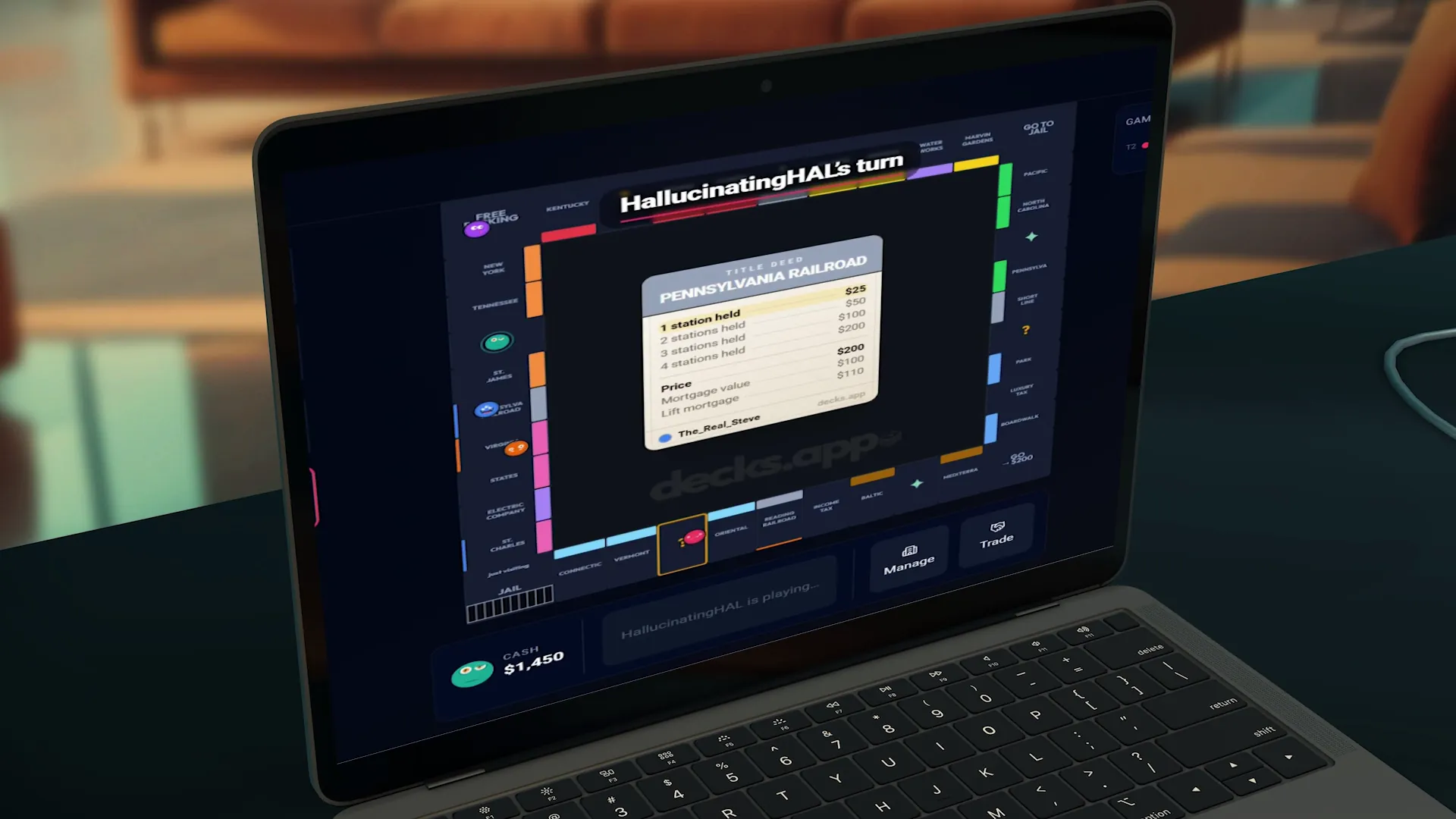
Main Street Mogul board on a laptop mid-game, showing a railroad title deed
Main Street Mogul, one of three games launched in nine days.

Why it matters for your business

What you get when we build your software

decks.app is a game, but the problems it solved are the ones most businesses have with software: tools people won’t use, systems that lag, AI that costs more than it saves, and changes that take months.

01

Software people love to use

Good software starts with product management, not code. We learn who your users are and what they’re trying to get done before we design anything, so the result feels obvious from day one. Less training, fewer support calls, faster adoption.

02

Fast, and right, in real time

When several people work from the same information, whether that’s quotes, schedules, inventory or dispatch, everyone sees the same thing, instantly, and nothing gets overwritten.

03

AI that earns its keep

We’ll show you where AI pays off in your business, which kind fits (a language model, retrieval over your own documents, or plain automation), and where you don’t need it at all. More on AI-powered business automation.

04

Changes in days, not months

Automated testing and AI-assisted development let a small team ship improvements quickly and safely, so your software keeps pace with your business instead of holding it back.

Have a project in mind?

Tell us what you’re trying to fix or build. The first conversation is about your business, not our technology.

The results

Built for our game night. Now used by thousands.

Our players did the marketing. We made sure the product kept up.

  • Zero advertising: it spread from our own game nights to people we’d never met, because the people who played it kept telling their friends.
  • Real-time play that holds up: every phone at the table stays in sync, even when two players move at the same instant.
  • Eleven complete games, and counting: three of them launched in a single nine-day stretch.
  • Nothing in the way: no download, no account and no ads, so a new player is in a game in seconds.
  • A small team: automation and AI-assisted development do the heavy lifting.
The 40-second version: the promo film we made for decks.app, built in code like the product itself. Sound on.

Questions

Thinking about working with us?

We’re not a tech company. Can you still help us?

Yes. Most of our clients are mid-sized businesses, typically 50 to 500 employees, without a software team of their own. You bring the knowledge of your business; we turn it into software and explain every choice in plain English along the way.

How do you build software people actually like using?

It starts with product management, not code. We learn what your users need to get done, what slows them down, and what device is in their hand, then design around that until it feels obvious. It’s how decks.app got simple enough for a 9-year-old and a 90-year-old, and good enough that people recommend it.

Do we actually need AI?

Maybe, maybe not. We’ll find where AI would save time or money in your business and recommend the right kind: a large language model, one grounded in your own documents (known as RAG), simple automation, or nothing at all.

How fast can you make changes once the software is live?

Usually in days. Automated testing and AI-assisted development let us change software quickly without breaking what already works. On decks.app, that meant three new games in nine days while everyone else kept playing.

Is decks.app a client project?

No, it’s ours. We built it for our own game nights, it grew by word of mouth, and we still run it day to day. We share it because we can show everything about how it was built. For client work, see how we streamlined clinic operations for Regal Weight Loss, or browse our portfolio.

How do we get started?

Tell us what you want to fix or build. The first conversation is about your business, not our technology. Contact us or call (817) 720-0273.

Salt Branch Technology Group · Fort Worth, Texas

Let’s build software your people will love.

Tell us what it needs to do. We’ll tell you what it takes to build it right, including the parts that don’t need building.